Search

IMPACT PARTNERS

Kruger National Park is South Africa's best-known safari destination, but that's only part of the story. Few places offer so many different ways to experience the bush. Here you'll find Big 5 game drives and bird-rich river systems, towering baobabs and endless savannah, relaxed self-drives and some of Africa's finest private lodges. Whether you're ticking off your first lion sighting or returning because nowhere else quite scratches the same itch, Kruger always has another chapter to reveal. Spanning nearly two million hectares along the Mozambique and Zimbabwe borders, it's one of Africa's greatest wildlife landscapes, with experiences to match almost every style of safari-seeker.

Kruger National Park Highlights

  • South Africa’s best-known Big 5 safari destination
  • Exceptional wildlife across nearly two million hectares
  • Choice of public park safaris and private Greater Kruger reserves
  • Strong options for first-time safari travellers, families and photographers
  • Easy combinations with Cape Town, Victoria Falls and Mozambique

Kruger National Park in 90 seconds

Kruger National Park Safari Tours

Kruger National Park offers some of Africa’s most rewarding safaris. Explore our favourite Kruger tours to help you start planning.

In Africa, It's Not About What You Know, But Who You Know.

We've partnered with the best to ensure you get front row seats at the best possible price.

Frequently Asked Questions

We've taken the liberty to answer everything you may need to know about visiting Kruger National Park

Yes, a Kruger National Park safari is an excellent first safari. It offers strong Big 5 wildlife, good access from Johannesburg, a wide choice of lodges and private reserves, and safari experiences that can be matched to your travel style, budget and expectations.

Kruger Park is home to the Big 5, along with giraffe, zebra, hippo, wild dog, hyena, antelope, crocodile, more than 500 bird species and a wide variety of reptiles and smaller wildlife. Sightings vary by area, season and guiding quality.

Kruger National Park is the public national park, with public roads, rest camps and set gate times. Greater Kruger refers to the wider ecosystem, including private reserves such as Sabi Sand Game Reserve, Timbavati, Klaserie Private Nature Reserve, Manyeleti, Thornybush and Kapama, many of which share unfenced boundaries with the national park.

Wildlife moves freely through much of this wider system, but the safari experience changes depending on where you stay. Public Kruger offers scale and classic national park game viewing, while private reserves usually offer lower guest numbers, guided game drives, more flexible access and a more lodge-led safari experience.

Public Kruger is best if you want scale, classic national park game viewing and a more independent safari style. It’s generally more accessible and often more cost-conscious, but vehicles stay on designated roads and game drives work around national park gate times.

A private reserve in the Greater Kruger is better if you want a more guided, polished and flexible safari. Guest numbers are lower, sightings are usually better managed, and guides may be able to track off-road where permitted. Many private reserves also offer night drives and walking safaris, which can make the experience feel more personal and complete.

For first-time guests wanting ease, privacy and expert guiding, we usually recommend a private reserve. For travellers who enjoy independence, self-driving and the scale of the public park, Kruger National Park itself works well.

Sabi Sand is a private game reserve that shares an unfenced boundary with Kruger National Park. Wildlife moves freely between the areas, but Sabi Sand is privately managed and offers a more exclusive safari experience, with off-road tracking, night drives and walking safaris where permitted. It’s especially well known for leopard sightings.

Where you go in the Greater Kruger depends on the safari you want. These reserves share the wider ecosystem, but the guiding style, lodge atmosphere, landscape and vehicle density can change the feel of the trip considerably.

  • Sabi Sand Game Reserve: The classic choice for leopard, luxury lodges, strong Big 5 viewing and photography. It works especially well for first-time safari guests who want excellent wildlife with a high level of comfort. 

  • Timbavati Nature Reserve: A more understated reserve with mopane woodland, strong elephant and buffalo sightings, good lion activity and characterful lodges rooted in the bush.

  • Klaserie Private Nature Reserve: Suited to guests who want space, strong guiding and a lighter-touch safari experience with a clear conservation focus.

  • Manyeleti Game Reserve: Excellent Big 5 country with a less mainstream feel, fewer lodges and more room around sightings than the busier private reserve areas.

  • Thornybush Game Reserve: A long-established private reserve option known for Big 5 viewing, high-end lodges and a polished Greater Kruger safari experience.

  • Kapama Game Reserve: A very accessible Greater Kruger option, with varied lodge styles, Big 5 viewing, photographic opportunities and easy access via Hoedspruit.

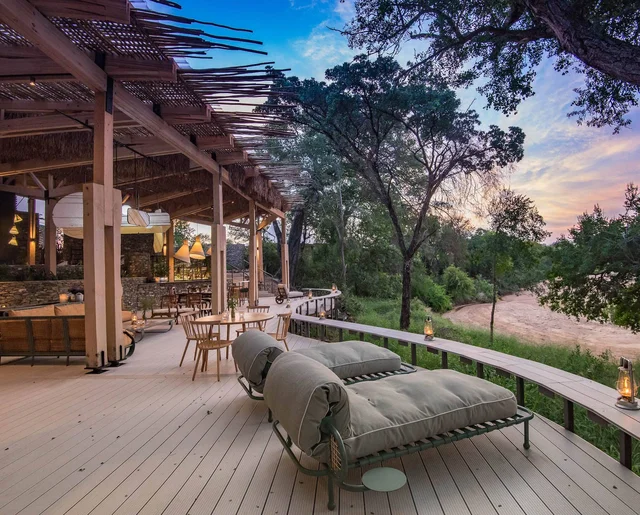
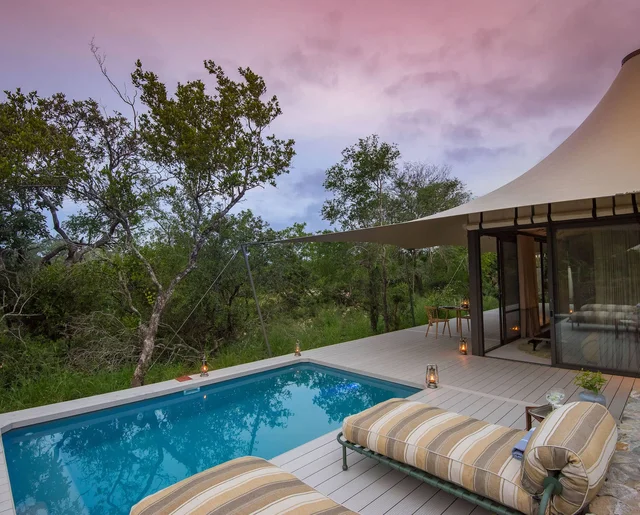
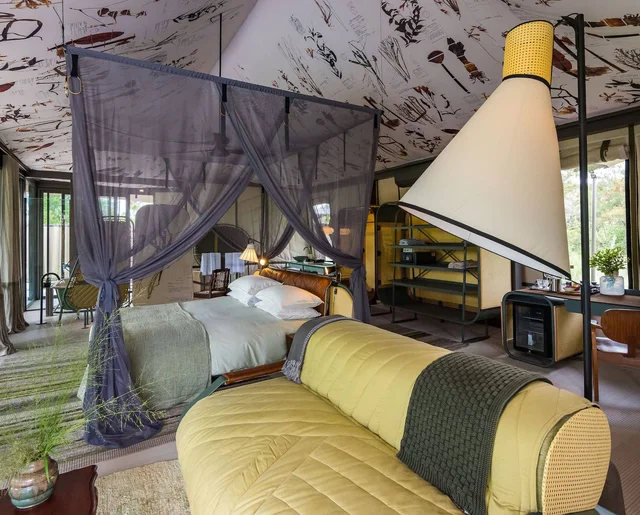
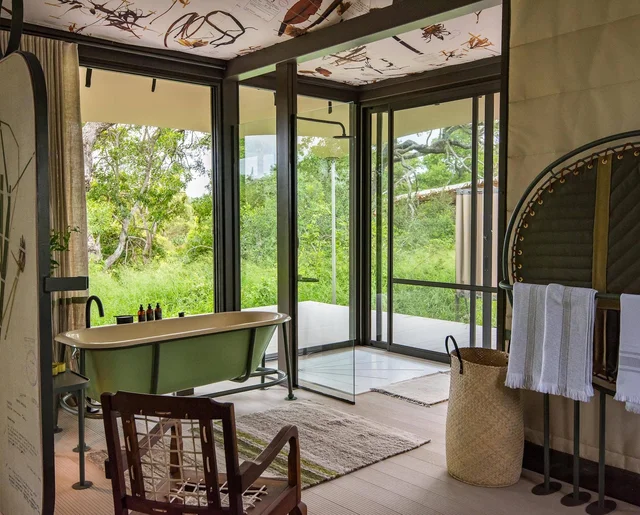
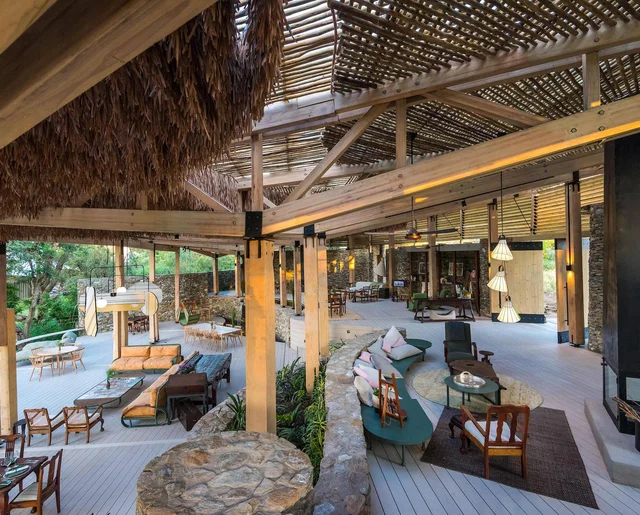
Where you stay depends on what you want from your safari. Our Travel Experts will recommend the right safari lodge or tented camp based on your travel style, season, budget and how Kruger fits into the rest of your South Africa itinerary. Depending on your itinerary, options may include: 

We recommend at least three nights in Kruger or the Greater Kruger area. That gives you enough time for several game drives, a better chance of varied sightings and space to settle into the early starts and slower hours between safaris.

Four to five nights works well if you want more time in the bush, whether that means following wildlife over a few days, adding a walking safari or enjoying the lodge without feeling rushed. With five to seven nights, you can combine two different reserves, such as Sabi Sand and Timbavati, for a broader Kruger safari with more contrast.

A luxury Kruger safari cost depends on the reserve, lodge, season, room category and how the trip is put together. Private lodges usually sit at a higher price point, but the value is not only in what is included. It’s in the guiding, access, lower vehicle density, conservation fees and the ease of having each day shaped around the bush rather than a fixed schedule. 

The best Kruger safari is not always the most expensive one. Speak to a Rhino Africa Travel Expert and we’ll help match the reserve, lodge and timing to you. 

Most Kruger safaris begin with a flight into Johannesburg, followed by a short connection closer to the bush. Depending on where you are staying, you may fly directly to a lodge airstrip or into one of the regional airports, such as Hoedspruit, Skukuza or Kruger Mpumalanga International Airport.

For many luxury safaris, a charter flight into the lodge airstrip is the smoothest way to arrive, especially when time is precious and the first game drive is waiting. Commercial flights and road transfers can also work well, depending on the route. Driving from Johannesburg is possible and usually takes around six hours, but after a long-haul flight, most guests prefer to reach the bush feeling rested rather than road-weary.

No, Kruger is not malaria-free. Before travelling, speak to your doctor or a travel clinic for advice on malaria prevention suited to your route, season and personal health. While in the area, use mosquito repellent, sleep under nets where provided, and wear long sleeves and trousers around dawn and dusk when mosquitoes are most active.

Yes. Kruger and Cape Town are one of South Africa’s strongest safari-and-city combinations. Most guests fly between the regions, allowing time for Big 5 safari, Table Mountain, the Cape Peninsula, the Winelands and Cape Town’s food and culture.

Kruger combines well with other Southern Africa destinations and sights including; the Panorama Route, Cape Town, the Cape Winelands, Victoria Falls and Mozambique. Cape Town adds coastline, culture, food and mountain scenery. Victoria Falls brings the Zambezi River and a different kind of natural wonder. Mozambique offers warm Indian Ocean water and a slower beach finish after the bush.

The trick is getting the logistics right. We’ll curate the route so flights, transfers and timing work cleanly, rather than turning a brilliant combination into an exhausting journey.

Some more useful Kruger National Park Travel Tips

Watch our Travel Tips videos for more insights into Kruger National Park

Why book with us?

World Travel Awards Winner 2023

Africa's Most Awarded Safari Company

Meet Your African Travel Experts

GET TO KNOW OUR RHINOS