Search

IMPACT PARTNERS

The Serengeti National Park has a way of making even its own reputation feel small. It’s a place of immense scale, with a horizon so wide it seems to stretch time itself. Yes, this is where The Great Migration moves through the year, with wildebeest, zebra and gazelle following rain and grass across one of Africa’s most important ecosystems, but arrive thinking only of the herds and the Serengeti will quickly correct you. 

Serengeti National Park Highlights

  • One of Tanzania’s most wildlife-rich national parks
  • The Great Migration, from calving season to river crossings
  • Year-round predator sightings across the plains and river systems
  • Varied habitats, from volcanic grasslands to acacia woodland
  • More than 500 recorded bird species

Serengeti Safari Tour Ideas

The Serengeti is a year-round safari destination. Browse through some of our favourite safari tours that include the Serengeti.

In Africa, It's Not About What You Know, But Who You Know.

We've partnered with the best to ensure you get front row seats at the best possible price.

Frequently Asked Questions

We've taken the liberty to answer everything you may need to know about visiting Serengeti National Park

We recommend at least four nights in the Serengeti. This gives you time to settle into the pace of the plains, enjoy multiple full-day drives and allows for the natural unpredictability of wildlife.

Five to seven nights gives you more room to explore the Serengeti properly, especially if you want to explore more than one region. For a wider Tanzania journey with Ngorongoro, Tarangire or Zanzibar, 10 nights or more gives the itinerary space to breathe.

A Serengeti safari varies by season, region, camp style and whether you stay inside the national park or in a private concession. A lodge in a private concession usually sits at the higher end because it offers more flexible activities, lower vehicle density and strong guiding.

For an accurate quote, speak to a Rhino Africa Travel Expert. We’ll shape the route around your dates, preferred camp style and the kind of safari experience you want, then give you a clear view of what’s possible.

Most Serengeti safaris begin in Arusha, reached via Kilimanjaro International Airport. From there, most guests take a light aircraft flight to one of the Serengeti’s internal airstrips. It’s the most efficient way to reach the right region without losing too much time on the road.

That depends on when you travel and what you want to see. Southern Serengeti is best for calving season, Central Serengeti is strong year-round, the Western Corridor suits Grumeti movement, and the northern Serengeti is best for Mara River crossings.

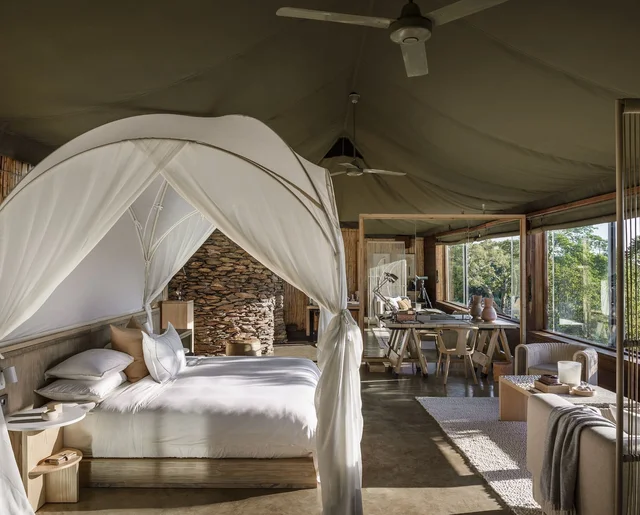
We’ll recommend the right lodge or camp based on timing, guiding quality and access, not simply the most recognisable name. That could mean a luxury safari lodge like Serengeti Serena Safari Lodge, a plains stay at Namiri Plains, a riverside option such as Mwiba Lodge or Grumeti Serengeti River Lodge, or a mobile tented camp like Serengeti Under Canvas.


The Serengeti is excellent for lion, leopard, elephant and buffalo, with strong year-round resident wildlife. Black rhino are far harder to see in the Serengeti, which is why many travellers combine it with the Ngorongoro Crater for a better chance.


The Great Migration happens every year, but specific sightings are never guaranteed. Herd movement depends on rainfall, grazing and river levels. River crossings are especially unpredictable, which is why timing, camp choice and realistic expectations matter.

The river crossings are famous for a reason, but they shouldn’t be treated as the only experience. The Serengeti has excellent safari moments throughout the year, from calving season and predator sightings to resident wildlife, Grumeti movement and the quieter green season. The best part will depend on your timing, expectations and how you want the safari to feel.

Yes, the Serengeti is family friendly. A Serengeti safari tour works especially well for older children and teenagers who can handle longer game drives. Many lodges welcome families, though age policies vary. Because Tanzania is a malaria area, it’s important to speak to your doctor or travel clinic before travelling and follow the medical advice given for your family.

Pack neutral-coloured clothing, light layers, a warm fleece for early mornings, sun protection, closed shoes and a wide-brimmed hat. Soft-sided luggage is usually required for light aircraft flights. Once your itinerary is confirmed, we’ll send you a packing list tailored to your route and season. In the meantime, take a look at our safari packing blog for a helpful starting point.

Yes. The Serengeti combines well with Ngorongoro Crater, Tarangire National Park and Lake Manyara National Park on the northern circuit. Zanzibar is a natural beach finish, while Kenya, Rwanda or gorilla trekking can be added for a broader East Africa journey.

Why book with us?

World Travel Awards Winner 2023

Africa's Most Awarded Safari Company

Meet Your African Travel Experts

GET TO KNOW OUR RHINOS