Search

IMPACT PARTNERS

Chobe National Park is the Botswana safari that refuses to stay on four wheels. Along its northern edge, the Chobe River pulls elephants, buffalo, hippo and a great supporting cast towards the water, particularly as the dry season gathers pace. By morning you might be following tracks along the riverfront. By afternoon, you’re watching the same herds from a boat as elephants wade in to drink, bathe and occasionally make the crossing towards Namibia.

Chobe National Park Highlights

  • Large dry-season elephant herds gathering along the Chobe River
  • Boat safaris and game drives offering different perspectives
  • Savuti’s open marshland and strong predator viewing
  • Houseboats that put the Chobe River at the centre of the stay
  • Easy combinations with wider Southern Africa destinations

Botswana in 60 seconds

Explore Our Favourite Itineraries

Not sure where to start? Our best-selling safari tours are here to get you going

In Africa, It's Not About What You Know, But Who You Know.

We've partnered with the best to ensure you get front row seats at the best possible price.

Frequently Asked Questions

We've taken the liberty to answer everything you may need to know about visiting Chobe National Park

Chobe combines unusually large elephant concentrations with one of Botswana’s strongest river-based safari experiences. The ability to switch between a game drive and a boat safari means the same landscape can look completely different within a few hours. Its location also makes it one of the easiest Botswana safari areas to combine with Victoria Falls and wider Southern Africa.

Elephants are Chobe’s headline residents, particularly along the riverfront during the dry season.

Buffalo, hippo, giraffe, zebra, crocodile and several antelope species are also common, including puku. Predators include lion, leopard and spotted hyena, while African wild dog may be encountered in the wider Linyanti area.

Birding is strong throughout the year and becomes especially rewarding during the green season.

Yes, elephants can be seen throughout the year, but the scale of the gatherings changes with the seasons. From May to October, shrinking water sources draw large herds towards the Chobe River. During the green season, water becomes more widely available and the elephants spread further across the park.

No. Chobe is strong for four of the Big 5: elephant, buffalo, lion and leopard.

If seeing all five is a priority, we can combine Chobe with another reserve where rhino sightings are a more realistic part of the safari.

May to October is the classic period for Chobe’s elephant gatherings, as animals become increasingly dependent on the river during the dry season.

November to April brings the green season, with fuller vegetation, migratory birds, young animals and summer storms. The right time depends on whether elephant concentrations or greener landscapes and birdwatching matter more to you.

Two to three nights works well for the Chobe Riverfront, giving enough time for both boat safaris and game drives.

Allow longer if you want to include Savuti, continue to Linyanti or add a houseboat stay. Four nights can turn Chobe from a short extension into a much broader look at the region.

The Chobe Riverfront is all about water, large elephant herds and the combination of boat safaris and game drives. Savuti lies further inland, where open marshland, woodland and an old lake bed create a very different setting, with particularly strong predator viewing. Combining the two gives you a much broader picture of Chobe.

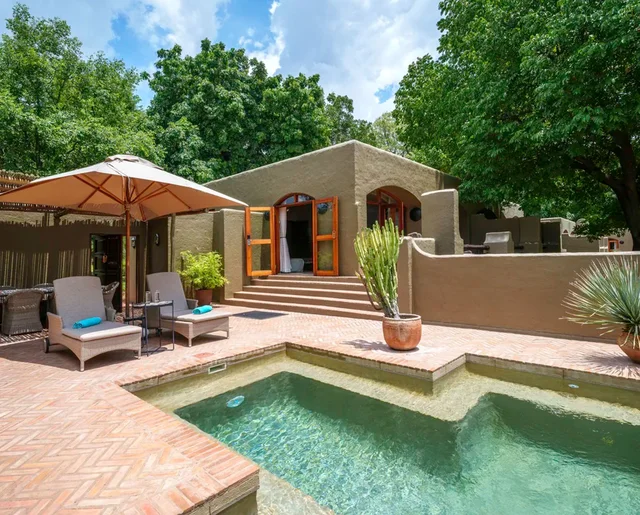
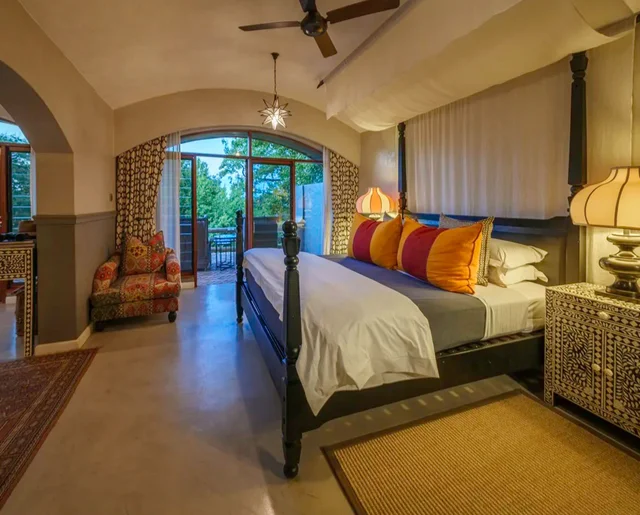
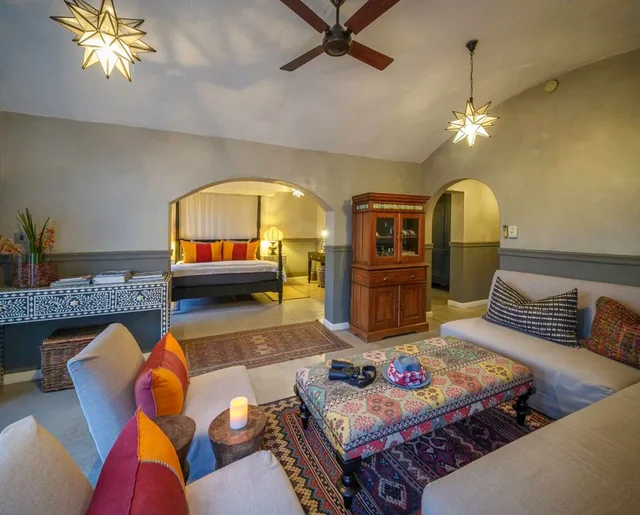
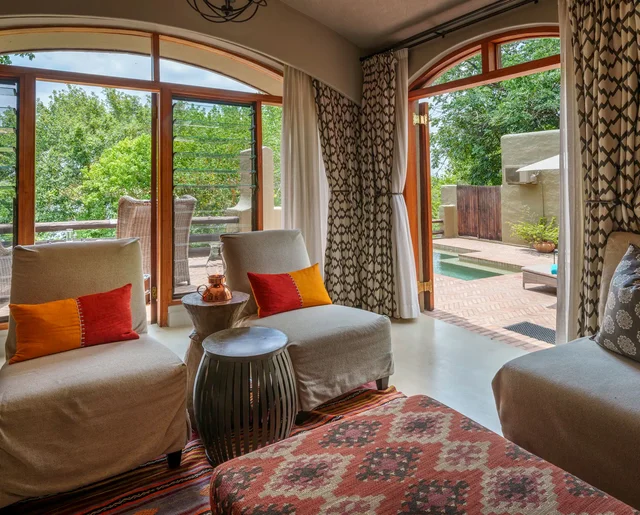
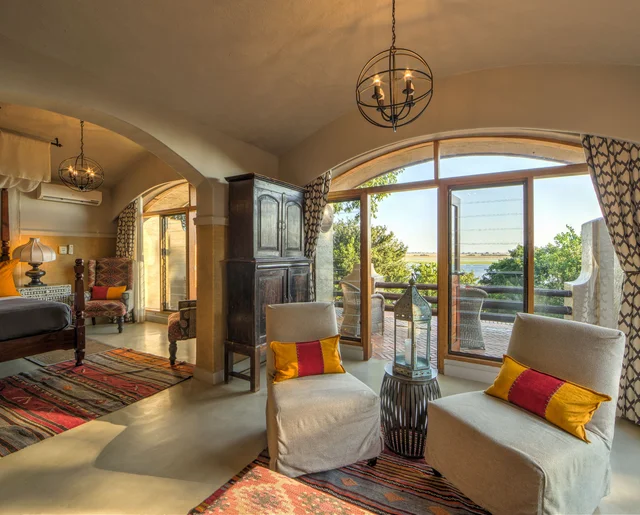
Where you stay changes how Chobe feels. Lodges inside the park keep the safari firmly in focus.

Some of our recommended stays include:

The right choice depends on how Chobe fits into the wider itinerary, so we consider trip length, privacy, family needs and what comes before and after before recommending where to stay.

Where you stay should depend on what you want Chobe to do within the trip.

For a shorter stay or an easy connection to Victoria Falls, properties around Kasane keep you close to the river, airport and border while still giving you straightforward access to safari activities.

Good options include:

If you have more time and want Chobe to feel less like a river stop and more like a full safari, Savuti is worth the extra distance. The landscape shifts inland, predator viewing becomes a bigger part of the experience and the pace feels more removed from Kasane.

Options here include:

The best choice comes down to trip length, how much river time you want, whether predators are a priority and what sits before and after Chobe. 

Most guests arrive through Kasane Airport, with air connections from Johannesburg, Maun and Gaborone.

Chobe can also be reached by road from Victoria Falls. We arrange the transfers and border logistics as part of the wider itinerary, so nobody needs to turn an international border crossing into a holiday hobby.

Yes, very easily. Victoria Falls connects by road and wider Zimbabwe destinations such as Hwange National Park are also within reach.

Yes, Chobe is close enough to combine with Victoria Falls by road, making a Chobe day trip possible. However, we generally recommend staying for at least two nights if time allows. That gives you the chance to experience both a river safari and a game drive without squeezing Chobe into a single, very busy day.

Yes, Chobe National Park and the Okavango Delta connect by light aircraft.

A Delta and Chobe route works particularly well because each stop adds something different: channels and islands in the Delta and broad riverfronts and elephant herds in Chobe.

They are both strongly shaped by water, but the safari experience is quite different.

The Okavango Delta is built around channels, islands, floodplains and small camps often reached by light aircraft, with mokoro excursions available in suitable areas. Chobe centres on one major river, large elephant concentrations and the ability to combine boat safaris with conventional game drives from the same base.

For many Botswana itineraries, the best answer is not choosing between them. It is combining them.

Yes, Chobe can work very well for families, particularly because boat safaris add variety to the usual game-drive routine. Age restrictions and private-vehicle requirements vary between lodges and activities, so we’ll recommend properties that suit the children’s ages and the family’s preferred pace.

Yes, Chobe lies within a malaria area. Speak to your doctor or travel clinic well before departure for medical advice appropriate to your trip.

Mosquito repellent and long sleeves and trousers, particularly around dawn and dusk, are sensible precautions. Lodge facilities such as mosquito nets, screened windows and air conditioning vary, so your Travel Expert can also confirm what is available at the properties in your itinerary.

Some More useful Chobe Region Travel Tips

Watch our Travel Tips videos for more insights into the Chobe Region

Why book with us?

World Travel Awards Winner 2023

Africa's Most Awarded Safari Company

Meet Your African Travel Experts

GET TO KNOW OUR RHINOS